

What It’s Really Costing Your Salon?
It rarely starts the way you think
Most salon owners expect to lose a client after something obvious goes wrong – a poor result, a visible issue, or an uncomfortable interaction at the desk.
But that’s rarely how it happens.
More often, it begins quietly.
A client leaves the salon happy. The nails look flawless, the finish is glossy, and the service itself feels successful. There’s no indication that anything is wrong. Yet a few days later, something shifts. A small lift appears near the edge, or a chip forms sooner than expected. It’s not dramatic, and it’s not something the client necessarily feels is worth mentioning.
But it is enough to change how they feel.
The next time they think about booking, there’s hesitation. And in many cases, that hesitation is enough to send them elsewhere.
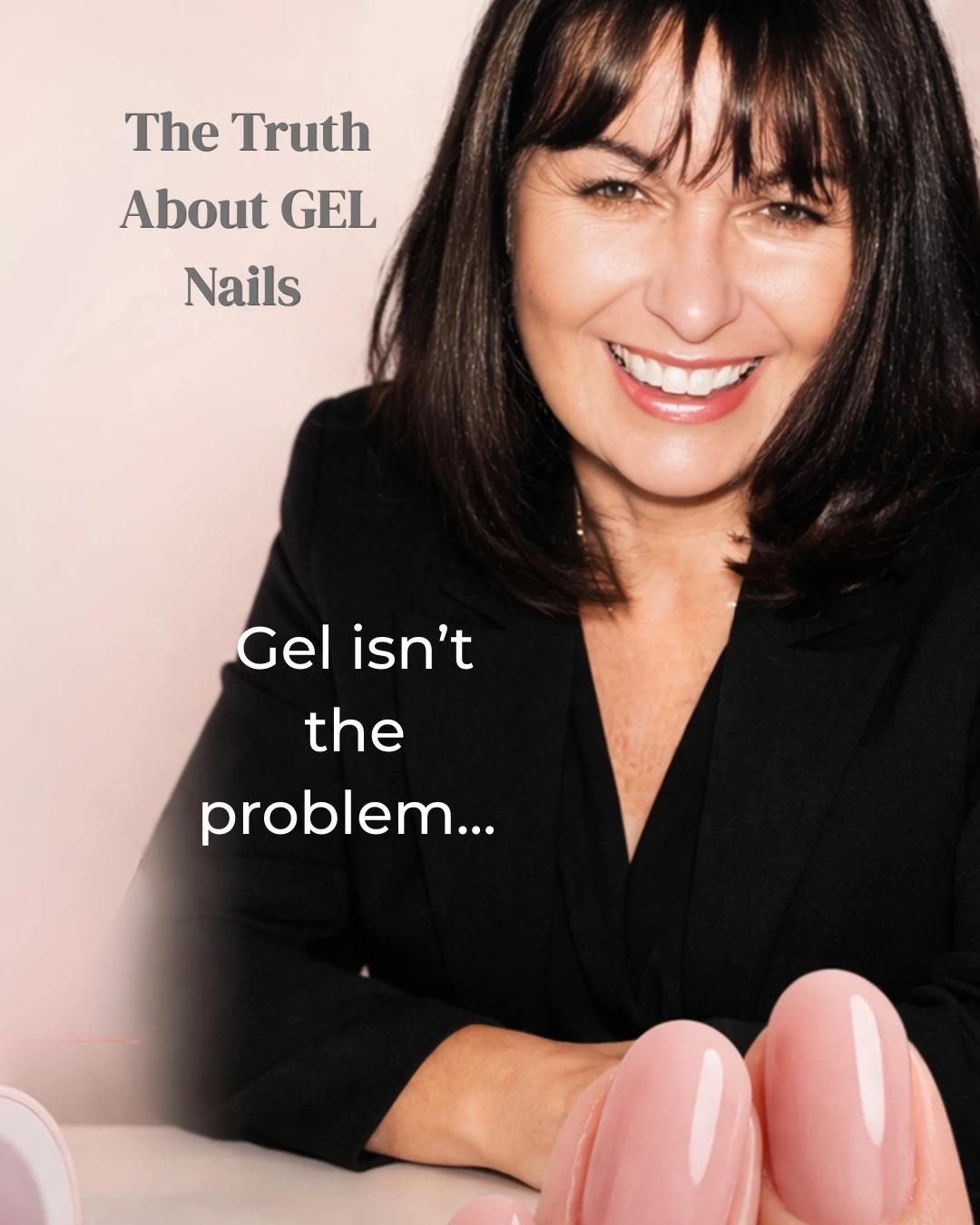
“Clients don’t always tell you when something isn’t right. They just make a different decision next time.” – Rose Bolam
This is one of the most important – and often overlooked – truths in the salon industry. Retention is rarely lost in a single moment. It is gradually eroded through small inconsistencies that go unnoticed until the client is already gone.
The real cost of gel nails that don’t perform
It’s easy to assume that pricing is the primary driver of client behaviour. When bookings slow or gaps appear in the calendar, the instinct is often to respond with promotions or discounts.
However, in the context of nail services, this approach addresses the symptom rather than the cause.
Clients don’t return because something was cheaper. They return because something worked.
They return because their nails lasted beyond expectation, because the finish held up through daily life, and because they didn’t have to think about the service once they left the salon.
When that doesn’t happen – even slightly – doubt begins to creep in.
“It’s not what happens in the appointment that builds retention. It’s what happens in the days that follow.” – Rose Bolam
Understanding this shift – from focusing on the service itself to focusing on its performance – is fundamental to building long-term client relationships.
What clients notice and what they don’t
From a professional perspective, there are many variables that contribute to a successful gel application: preparation, product selection, curing, and technique.
But the client’s perspective is much simpler.
They are not evaluating your process. They are evaluating your result. In most cases, this comes down to three things:
- How long the nails last
- How they wear over time
- How they look days later
If these meet expectations, trust builds. If they don’t, even subtly, that trust begins to weaken. And once doubt is introduced, it’s difficult to reverse.
Why gel nails fail – and why it’s often misunderstood
When gel nails fail, it’s rarely due to one obvious mistake. More often, it’s a combination of small factors – each one seemingly minor but together affecting the outcome.
This is why the issue can be difficult to identify.
The service may look perfect when the client leaves. There may be no visible issue at all. But if the foundation hasn’t been properly set, the result won’t hold.
Preparation: the foundation of every result
If there is one area that consistently determines whether a set will last, it’s preparation.
Not because it is complex — but because it requires precision and consistency.
Even minor oversights can compromise adhesion. Common preparation issues include:
- Incomplete removal of cuticle from the nail plate
- Residual oil or moisture left on the surface
- Natural shine not fully removed
- Dust or debris interfering with product bonding
“If the prep isn’t right, nothing you put on top will last.” – Rose Bolam
What makes preparation particularly important is that its impact is not always immediate. The nails may appear flawless initially, but the weaknesses beneath will show over time.
When gel isn’t the right service
One of the most important – and often overlooked – professional decisions is recognising when gel should not be applied.
Not every client is suited to a gel service, and proceeding regardless can lead to poor outcomes.
Situations where gel may not perform well and why, include:
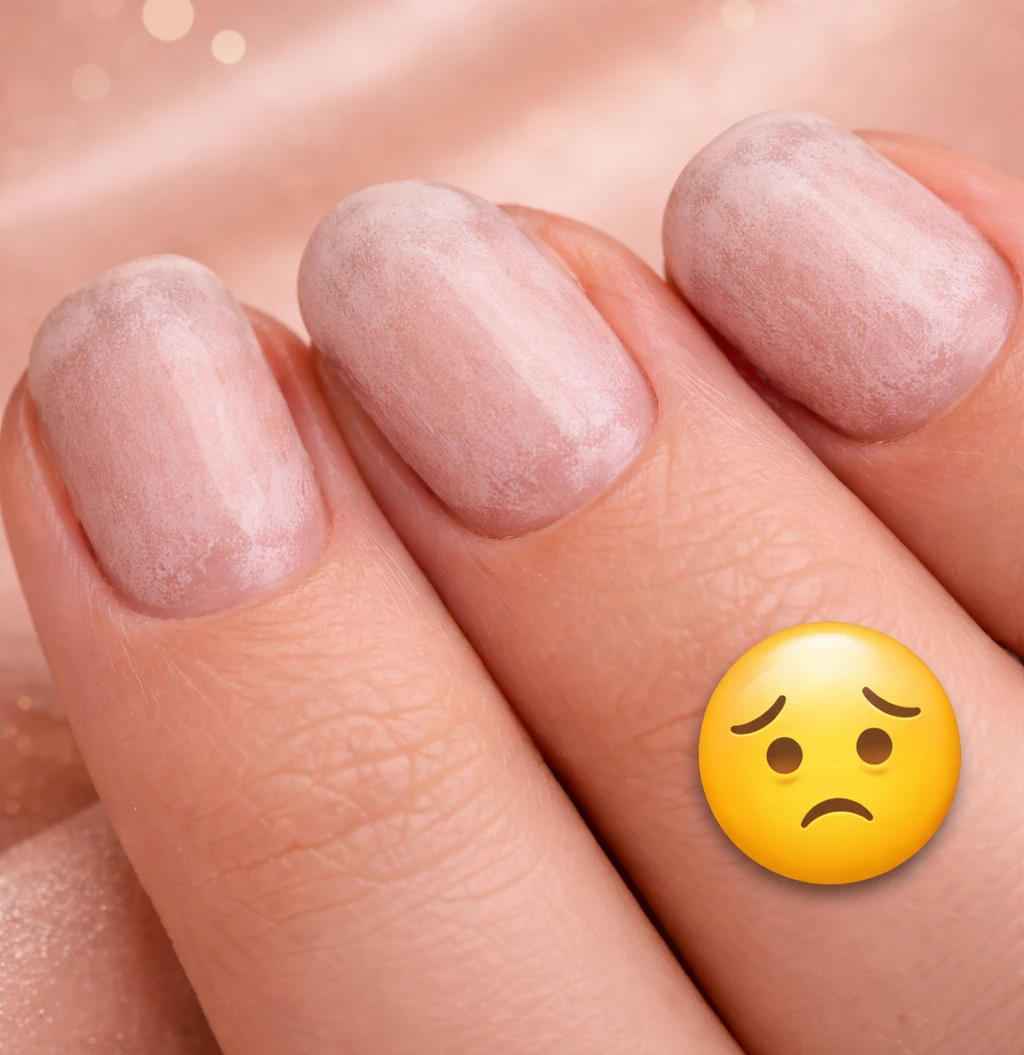
- Nails that have been over-buffed or thinned – the nail plate becomes so thin that putting it under the nail lamp will cause pain, and even damage the nail further.
- Damage from previous enhancements – this is very often disregarded but applying gels on an already damaged nail is a bad idea. When you remove the gel next time, the nail underneath will still damaged and you may well be blamed. A damaged nail will not heal by applying gels despite what you may have heard.
- Peeling or weakened nail plates – if your nail plate is weak or peeling, the gel cannot adhere properly. Therefore your client will experience premature lifting at the ends, which results in more damage to the already weak nail.
- Inflamed or disrupted cuticle areas – this is a contra-indication. Applying gels on open skin can cause reactions and is exposing clients to an allergic reaction. If that happens, don’t apply gels again, especially in the weeks ahead.
In these cases, the issue is not the product – it’s the condition of the nail.
“Sometimes the most professional thing you can do is NOT perform the service.” – Rose Bolam
This is where true expertise shows. Saying no, or adjusting the service, protects the long-term relationship with the client.
The role of systems, products and tools
Even with correct preparation and appropriate client selection, results will fall short if the system itself isn’t aligned.
One of the most common causes of inconsistency in salons is the mixing of products and tools that were never designed to work together.
This can include:
- Using different brands across the system – different brands have different chemical structure so you end up not knowing who is the culprit if something does go wrong. Mixing brands is the most unprofessional thing you can do with any gel system.
- Pairing products with incompatible lamps – here again EVERY brand has its own curing system. Never use an LED light from another brand to cure your gels – this risks under curing (which is not visible) and wet product on your clients nail. Uncured gel leaves the client open to allergic reactions!
- Working with aged or unstable product – one of the most common mistakes is using old product. Yes, gels have a shelf life and deteriorate over time once opened. Work on 12-24 months shelf life – after that replace your product with a fresh new bottle.
These issues are not always visible – but they affect performance.
The risk of under-curing is very HIGH if you do not use the manufacturers LED light, and can lead to:
- Lifting,
- Breakdown, and
- Reduced durability.
“The product might look right on the surface – but performance is what matters underneath.” – Rose Bolam
This is why professional products such as GELeration are designed to work as complete systems – ensuring consistency from application through to wear.
Technique: the small habits that shape the outcome
Even experienced technicians can develop habits that impact performance over time.
Not because they lack skill – but because repetition can lead to shortcuts.
Common technique or application issues include:
- Applying product too thickly – cannot adhere properly to the nail and proned to under-curing. Thin coats are best for longevity
- Flooding the cuticle area – the minute your clients hands go in water they lift and the gel starts to separate as water creeps in between the gel and nail plate
- Not sealing the free edge – causes premature lifting at the ends through wear and tear. By capping, you are providing more strength at the ends – well worth it!
- Rushing application steps – you risk miss important prep steps.
These don’t always show immediately. But they influence how the set holds over time.
And again, the client doesn’t analyse the cause – only the result.
Why nail services are one of your strongest marketing tools
Unlike many other treatments, nail services don’t stay within the salon.
They move with the client.
Hands are constantly visible – in conversations, at work, in social settings, and throughout daily life. They are one of the most seen parts of the body.
This means the result continues to represent your work long after the appointment ends.
“There aren’t many services that continue promoting your work after the client leaves. Nails do.” – Rose Bolam
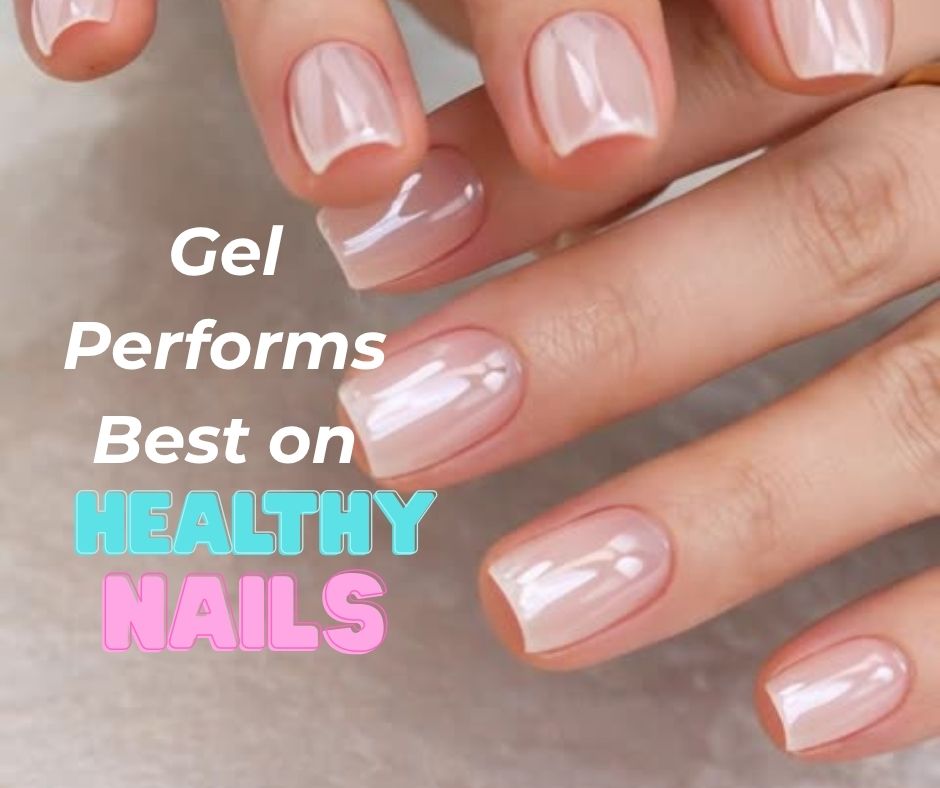
When the result is strong:
- People notice
- They ask questions
- They remember
That set becomes more than a service. It becomes a walking billboard for your business.
The finishing touch clients remember
In many cases, nails are one of the final services a client receives. That makes them the last impression. If the result is flawless – and remains that way – the entire experience feels elevated.
If it doesn’t hold?
That’s what the client remembers. And over time, that’s what shapes their decision to return.
What builds demand in a salon
It’s easy to believe that demand is created through pricing strategies. But sustainable demand comes from something else entirely. It comes from:
- consistent results
- reliable performance
- trust built over time
When clients know what to expect – and that expectation is consistently met – they don’t hesitate to return. They also begin to recommend your services to others.
“When the work is right, clients don’t just come back – they bring others with them.” – Rose Bolam
That’s where real growth happens.
The shift that changes everything
Instead of asking: “How do we get more clients?”
The focus becomes: “How do we ensure our results last?”
Because when the result is right:
- retention improves
- referrals increase
- demand builds naturally
Final thought
Gel nails are not just a service. They are:
- a reflection of your standards
- a driver of retention
- a visible extension of your brand
Done poorly, they cost you clients. Done well, they build your business. Not even offering a gel service, well, you are shooting yourself in the foot!
“Retention will always outperform discounting.” – Rose Bolam
Join the MBI Professional Portal
Join Us HereAccess:
- professional-only systems like GELeration
- education and protocols
- tools to support your business growth
Or explore our professional range here:
Shop Professional Nail Systems


